
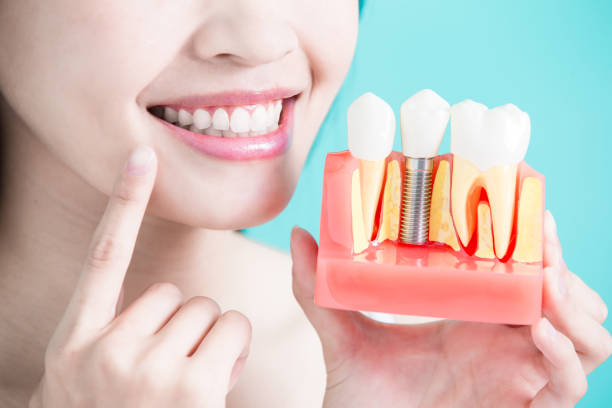
When a tooth is removed, the jawbone that held its root begins to remodel. Over the following months, the ridge can lose some height and width. Socket preservation after tooth extraction, also called alveolar ridge preservation, is a procedure done at or near the time the tooth comes out. It helps limit those changes and maintain a more favorable foundation for future tooth replacement.
This may be particularly valuable for patients considering a dental implant. Implants need enough supporting bone in a suitable position. A ridge that has become narrow or short can limit where and how an implant is placed. Preserving the extraction site may help keep that option open, although it does not guarantee that more grafting will never be needed.
At Bayside Oral & Facial Surgery in Seekonk, MA, surgeons trained in oral and maxillofacial surgery evaluate each extraction site individually. This guide follows the full sequence, from tooth removal and socket grafting to healing and future dental implants in Seekonk, MA.
What Is Socket Preservation After Tooth Extraction?
Socket preservation is a way of managing the tooth socket right after an extraction. The surgeon often places graft material in the socket and, when appropriate, covers it with a membrane or other protective material.
The goal is to help minimize bone loss as the ridge heals. It does not stop natural remodeling completely. You may also hear it called socket grafting, extraction socket grafting, alveolar ridge preservation, or ridge preservation after tooth extraction.
In simple terms, the sequence runs from the empty tooth socket, to graft material, to a healing ridge, and then to a possible future implant site.
What Happens to the Empty Socket When a Tooth Is Removed?
The extraction socket is the space inside the alveolar bone that held the tooth root. Right after removal, a blood clot forms in the socket. Over the following weeks and months, healing tissue replaces the clot and new bone gradually forms in the space. This is normal socket healing.
At the same time, the bone around the socket goes through bone remodeling, which can change the shape of the ridge. The two processes happen together but are not the same thing. A socket can heal well while the ridge around it still becomes thinner or shorter.
How Socket Preservation Helps Maintain Jawbone Width and Height
Socket preservation aims to limit the loss of ridge width and height. Ridge width in particular can change noticeably after an extraction. Keeping more of the original bone volume and ridge contour may make later restorative planning more favorable. A ridge with enough width and height gives the surgeon and the restorative dentist more options for future implant placement and for how the final tooth meets the gum.
The benefits of socket preservation vary from site to site. It may limit loss of ridge width and height, but it cannot guarantee that the original bone dimensions will be kept.
Is Socket Preservation the Same as a Dental Bone Graft?
Socket preservation often uses a bone graft, but the term describes a specific goal and timing, which is managing a fresh extraction socket. A dental bone graft is a broader term that covers several reconstructive procedures.
Ridge augmentation and sinus augmentation are two examples. Ridge augmentation rebuilds ridge width or height that has already been lost. Sinus augmentation adds bone height in the upper back jaw below the sinus. This guide compares ridge augmentation later.
Why Does Jawbone Shrink After a Tooth Extraction?
The loss or extraction of a tooth can alter the surrounding bone, which may affect future treatment, according to the American Association of Oral and Maxillofacial Surgeons. The reasons trace back to how a natural tooth connects to the jaw, and the effects can show up months or even years later.
How Natural Tooth Roots and the Periodontal Ligament Support Alveolar Bone
A natural tooth sits in a socket within the alveolar bone. A thin tissue called the periodontal ligament connects the root to that bone. It helps transfer the forces of chewing and supports the normal biological environment around the tooth.
When the tooth is extracted, the root and the ligament are both lost. That loss triggers changes in the socket and the surrounding bone structure. It is only one part of the story, since several other factors also shape how the bone changes afterward.
What Happens to Bone Width and Height During Post-Extraction Healing?
After extraction, the walls of the socket remodel, and so does the alveolar ridge around them. This gradual loss of bone volume in the ridge is called bone resorption. Width often changes the most, though height can decrease too. Much of the change happens in the first several months, and it can continue more slowly after that.
The facial, or buccal, bone plate can be thin, which can make it especially vulnerable to dimensional change. How much change occurs depends on the tooth’s location, the existing bone anatomy, gum health, infection history, and conditions related to the extraction. Two patients missing the same tooth can end up with different ridges.
Why Bone Loss Can Complicate Future Dental Implant Placement
An implant needs enough bone in the right position to anchor it. When a ridge loses bone height and width, there may be fewer placement options. A narrow ridge may limit the implant diameter that fits, and a short ridge may limit its length. In some cases, the surgeon may consider an added augmentation procedure first.
Bone volume and density both shape implant planning, and a separate article on bone density and implant success covers that in detail.
When Should Socket Preservation Be Considered Before Dental Implants?
Not every extraction needs socket preservation. Whether it is necessary depends on the extraction site, the surrounding bone, any infection or damage, and your plan for replacing the tooth.
When a Dental Implant Will Be Placed Several Months After Extraction
Some patients need a tooth removed but cannot or should not receive an implant at the same visit. In that case, socket preservation may help maintain a more favorable site while the area heals. Patients considering dental implants in Seekonk may face this waiting period when a tooth cannot be replaced right away.
Waiting to place the implant is called delayed implant placement. That is a different question from delayed loading, which refers to when the final tooth is attached to an implant already in the bone. Surgeons weigh the site, the bone, and any infection when choosing between immediate and delayed implant placement.
When the Extraction Site Already Has Thin or Damaged Bone
Thin facial bone, missing socket walls, past infection, gum disease, and injuries that knock out a tooth can all change the plan. Intact socket walls help hold graft material in place and support healing. A socket with thin or missing walls may be harder to treat predictably, and some defects need more than routine socket preservation. They may call for a more involved regenerative approach.
If infection is present, the surgeon addresses it as part of the plan, and grafting at the same visit is not always appropriate. Jaw infection treatment can include draining an abscess or removing the source tooth, and the surgeon plans any grafting around that care.
Socket Preservation for Front Teeth vs Back Teeth
Front teeth bring esthetic and gum-contour concerns. A small change in ridge shape can affect how a replacement tooth looks at the gumline.
Back teeth usually involve different demands, such as heavier chewing forces and, in the upper jaw, the position of the sinus. In both areas, the goal is not only to keep enough bone. It is also to maintain a ridge shape that suits the planned restoration.
Can Socket Preservation Help Patients Who Are Undecided About Dental Implants?
It may help keep treatment options open for some patients, even before they choose a replacement. That does not guarantee that a future implant will be possible.
If you can, talk through your replacement preferences before the extraction. That conversation helps the surgeon decide whether preserving the site makes sense.
How Is Socket Preservation Performed After a Tooth Extraction?
The steps below describe what typically happens during socket preservation, from the extraction appointment through follow-up. This is a general overview, and your surgeon may adjust it based on what they find.
Step 1: Evaluating the Tooth, Socket Walls, and Surrounding Bone
The surgeon starts with an exam and appropriate X-rays. The goal is to assess bone support, check whether the socket walls are intact, and look for infection or other conditions in the area.
When it is clinically indicated, 3D CBCT imaging adds detail about the bone around the tooth. Not every socket graft needs a 3D scan.
Step 2: Removing the Tooth While Protecting the Surrounding Bone
The surgeon removes the tooth using an atraumatic technique. This means gentle methods designed to limit unnecessary injury to the surrounding bone and gum while the tooth comes out safely.
Careful technique supports healing, but no extraction method can eliminate bone remodeling.
Step 3: Cleaning and Evaluating the Extraction Socket
Next, the surgeon examines the socket after extraction and removes diseased tissue or debris before any grafting. Infection, damaged socket walls, and other findings can change the plan, including whether grafting happens that day.
Step 4: Placing Bone Graft Material Into the Socket
Graft material fills and supports the socket during healing. Depending on the material, it acts as a scaffold for new bone growth or helps hold space while the site heals.
Graft material is not automatically replaced by native bone on a fixed schedule. Some materials are gradually replaced by the patient’s natural bone, while others break down slowly or partly remain. How the graft remodels varies by material and by patient.
Step 5: Protecting the Graft With a Membrane or Other Closure Technique
Depending on the case, the surgeon may cover the graft with a barrier membrane, a collagen plug, sutured gum tissue, or another protective approach. A membrane acts as a barrier that helps keep soft tissue from growing into the graft area. A plug or sutures help protect the site while it heals.
Larger or more complex bone defects may call for a more involved membrane technique, which is a separate topic.
Step 6: Monitoring Healing Before Future Implant Placement
Follow-up visits check whether the site is healing as expected and whether the remaining bone suits the planned implant. A preserved socket does not become ready on a set schedule. The right time to place an implant varies from patient to patient.
What Bone Graft Materials Are Used for Socket Preservation?
Surgeons choose from several types of bone graft materials. The differences between them are covered in more detail in an article on bone grafting materials.
Human-Derived, Animal-Derived, Synthetic, and Patient-Derived Bone Grafts
Four terms come up most often.
- Allograft: processed human bone from a screened donor.
- Xenograft: bone material from an animal source, processed for use in people.
- Alloplast: a synthetic bone substitute made in a laboratory.
- Autograft: the patient’s own bone, taken from another area of the body.
The choice depends on the defect, the clinical goal, the available evidence, and the surgeon’s judgment. These materials do not all behave the same way, and no single one is best for every patient.
Why Some Socket Grafts Include a Collagen Membrane
A membrane can help hold graft material in place and protect the healing site from unwanted tissue growth. Collagen membranes are a common choice. As the American Association of Oral and Maxillofacial Surgeons explains in its overview of bone grafts and membranes, resorbable membranes dissolve over time and are often made of collagen, while nonresorbable membranes generally need to be removed later.
Whether a membrane is used, and which type, varies by case and technique.
How the Graft Supports Healing Without Becoming a New Tooth Root
The graft helps support the ridge as it heals and may protect future treatment options. It does not replace the tooth, act as a dental implant, or restore chewing function on its own.
How Long Does Socket Preservation Take to Heal Before Dental Implant Placement?
The healing process happens in overlapping stages. Soft-tissue healing, bone maturation, and readiness for implant surgery are related milestones, but they are not the same thing.
Early Healing During the First Days and Weeks
Early on, the blood clot and the graft protect the socket. Over the first days and weeks, the gum tissue gradually heals over the site. Mild soreness, swelling, and a small amount of oozing are common during this period.
Follow your surgeon’s instructions and avoid disturbing the area, since the site is easy to disrupt during this phase.
Bone Remodeling and Graft Maturation Over the Following Months
New bone forms, and the graft remodels and matures gradually over the following months. The pace varies by patient and by graft type.
Implant placement is often considered after several months, but timing is individualized. Your surgeon decides based on how your site is healing.
How the Oral Surgeon Determines Whether the Site Is Ready for an Implant
The surgeon considers the findings of a clinical exam, the amount of available bone, appropriate imaging, the health of the surrounding tissue, and the planned implant size and position.
After placement, the focus shifts to how implant stability develops as the bone integrates with the implant, a process called osseointegration.
What Should Patients Avoid After Socket Preservation Surgery?
Your surgeon’s instructions for your own socket preservation procedure come first. The guidance below explains the reasons behind common precautions.
Protecting the Blood Clot and Graft During Early Healing
Avoid rinsing and spitting on the day of surgery, and avoid forceful rinsing after that. Also avoid smoking, poking the site with your fingers or tongue, and any activity your surgeon has restricted.
The reasons are practical. Forceful rinsing or suction, such as drinking through a straw, can dislodge the clot. Smoke can irritate the tissue and slow recovery. Pressure on the area can disturb the graft.
Bayside’s surgical instructions cover general aftercare for tooth removal and implant procedures. Your surgeon will tell you what applies to your graft.
Eating and Cleaning Around the Extraction Site
Begin with soft foods and chew away from the site as directed. Keep the rest of your mouth clean to support your overall oral health.
Ask your surgeon when and how to rinse or brush near the area, since the timing differs between procedures.
Warning Signs That Require a Call to the Oral Surgeon
Mild soreness and swelling are common early on. Call your oral surgeon if you notice any of the following.
- Pain that gets worse instead of better
- Heavy bleeding that does not slow with the pressure your surgeon described
- Swelling that keeps increasing after the first few days
- A fever that lasts
- A bad taste or pus-like drainage
Seek urgent medical care right away for trouble breathing or swallowing.
Socket Preservation vs Ridge Augmentation: What Is the Difference?
The two procedures share some materials, but they serve different purposes.
| Attribute | Socket Preservation | Ridge Augmentation |
|---|---|---|
| Typical Timing | At or shortly after extraction | Often after bone loss or a defect has developed |
| Primary Goal | Limit post-extraction ridge shrinkage | Rebuild inadequate ridge dimensions |
| Main Anatomical Focus | Fresh extraction socket | Existing ridge deficiency |
| Relationship to Implants | Maintain future placement options | Create or improve conditions for placement |
Preserving Bone Before It Shrinks
Socket preservation is preventive in intent. It works with a fresh socket in an effort to limit how much ridge is lost during healing. It cannot stop remodeling entirely.
Rebuilding Bone After Significant Ridge Loss
Ridge augmentation is reconstructive. It builds up ridge width or height that is already too limited for an implant, and it is usually planned once a defect has developed. The aim is to create better conditions for implant placement. A separate article covers ridge augmentation in detail.
Can Socket Preservation Eliminate the Need for Future Bone Grafting?
Not always. Socket preservation after extraction may reduce how much ridge change occurs, but results vary, and it cannot guarantee that additional augmentation will never be needed.
What Happens If Socket Preservation Was Not Performed After Extraction?
Many patients lose a tooth without any socket preservation, whether the tooth came out years ago or the option was never discussed. That alone does not rule out future treatment, though whether an implant is possible depends on an evaluation.
How the Jawbone Changes After Months or Years Without a Tooth
Ridge changes tend to progress gradually over the months and years after tooth loss. The amount of bone that remains varies widely from one patient to another. It depends on factors such as the tooth’s location, the original bone anatomy, gum health, infection history, and how long the tooth has been missing.
Can Dental Implants Still Be Possible After Bone Loss?
In some cases, an evaluation finds enough existing bone for an implant. In others, options such as ridge augmentation or other implant-site preparation procedures may help create the conditions an implant needs.
Which path applies depends on your bone and your anatomy. An oral surgeon can recommend a plan only after an exam and appropriate imaging.
Frequently Asked Questions About Socket Preservation
Is socket preservation necessary after every tooth extraction?
No. Surgeons consider socket preservation based on the condition of the extraction site, the surrounding bone, and your plans for replacing the tooth. It may be especially useful when maintaining ridge dimensions could support a later dental implant. Some extractions do not need it, and your oral surgeon can explain whether it fits your situation.
Is socket preservation the same as a bone graft?
Socket preservation commonly uses a bone graft, but the term refers specifically to preserving the ridge right after an extraction. Bone grafting is broader. It also includes procedures that rebuild existing bone defects, such as ridge augmentation and sinus augmentation. A socket graft is one type of bone graft, used at a specific time for a specific goal.
Can socket preservation be performed when an infected tooth is removed?
Sometimes. The surgeon has to assess the infection, the surrounding tissue, and the condition of the socket before deciding whether grafting makes sense at the extraction visit. In some cases, the infection needs to clear first, and grafting is considered later. An exam and imaging help your surgeon decide, and the answer differs from patient to patient.
How long after socket preservation can I get a dental implant?
Timing varies with the extraction site, the graft material, your healing response, and the implant plan. Implant placement is often evaluated after several months, but your surgeon decides when the site is ready by examining it and reviewing appropriate imaging. There is no single number of weeks that applies to every patient.
Can a dental implant be placed immediately instead of preserving the socket?
In selected cases, yes. An implant can sometimes be placed at the extraction appointment. Immediate placement and socket preservation are different approaches, and the right choice depends on your anatomy, how firmly an implant would sit, and the condition of the site. Your surgeon weighs these factors during planning, and some sites are better suited to a staged approach.
Does socket preservation completely prevent jawbone loss?
No. Socket preservation cannot fully prevent bone loss after an extraction, because some remodeling is expected after tooth removal. It aims to reduce how much bone is lost, not stop the process entirely. Even with a graft, the ridge can still change, and some patients still need additional bone work before an implant can be placed. Your oral surgeon can explain what to expect for your site.
Can I still get dental implants if I did not have socket preservation?
Possibly. An oral surgeon can examine your existing bone and imaging to see whether an implant can be placed directly or whether additional treatment, such as ridge augmentation, may be needed first. Not having socket preservation does not rule out implants, and an evaluation can be done at any point after a tooth is lost.
Protect Your Future Dental Implant Options in Seekonk, MA
Decisions made around the time of an extraction can influence future tooth replacement options. Socket preservation is one way to support the jawbone and plan for a dental implant. It is not right for every extraction, and it does not guarantee a particular result.
At Bayside Oral & Facial Surgery, our oral and maxillofacial surgeons evaluate extraction sites for patients in Seekonk, MA, and nearby communities including Attleboro, East Providence, and Providence, Rhode Island. If you are facing a tooth extraction or considering dental implants, schedule an evaluation with Bayside Oral & Facial Surgery. We can talk through your extraction site, your bone, and the treatment options that fit your plan.
