
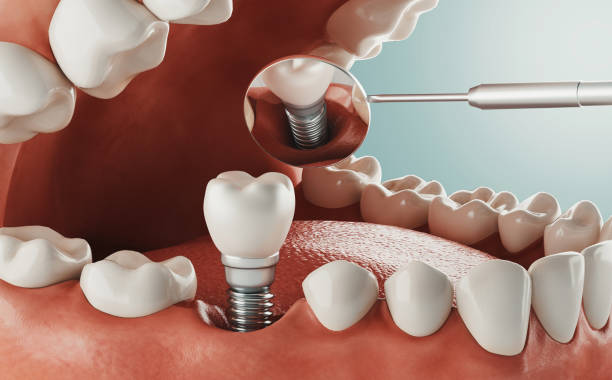
Strong, healthy bones are important for stable dental implants. When the jawbone is too thin or too soft, it may need to be rebuilt with a bone graft before an implant can be placed. At Bayside Oral & Facial Surgery in Seekonk, MA, we use advanced bone grafting techniques to prepare your jaw for long-lasting dental implants.
Many patients hear terms like “bone graft” or “sinus lift” and feel nervous. Patients often worry that bone grafting sounds complicated, but it is a routine and reliable step that helps support strong implant results. This guide explains these procedures in simple, supportive language so you know what to expect during bone grafting for dental implants in Seekonk, MA, and treatment planning for dental implants in Seekonk with the team at Bayside Oral & Facial Surgery.
Why Bone Grafting Is Sometimes Needed Before Dental Implants in Seekonk
Dental implants need enough bone height and width to stay stable. When the bone is thin, implants may not have the support they need to heal correctly. This is why a bone graft may be recommended before implant placement.
Bone loss can happen for several reasons. Teeth stimulate the jawbone during biting and chewing. When a tooth is missing, the bone in that area begins to shrink. Gum disease, past extractions, long-term tooth loss, and years of wearing dentures can also reduce bone levels.
Many patients in Seekonk and nearby areas like Providence, Fall River, and Attleboro are surprised to learn how quickly bone shrinks after teeth are lost. Early planning for dental implants in Seekonk can help protect long-term oral health. We also see many patients seeking bone grafting in Rhode Island when traveling from nearby communities.
How Jawbone Shrinks After Tooth Loss
The jawbone depends on stimulation from tooth roots. When a tooth is missing, the bone no longer receives that pressure and begins to shrink. This is a normal biological response.
Bone loss is especially common in the back areas of the upper and lower jaw, where the bone can soften more quickly. This can affect treatment planning for tooth implants in Rhode Island. It can also influence the options available for missing tooth replacement in Rhode Island and other types of tooth implants.
When Your Implant Dentist Recommends a Bone Graft
Your oral surgeon may recommend a bone graft when:
- X-rays or 3D scans show a thin or low bone ridge
- You are planning dental implants in Providence, RI, Warwick, or Attleboro
- You want a strong foundation for full-arch solutions like All-on-4 or All-on-X
A bone graft is often recommended when your jaw needs extra support before dental implants in Seekonk. This step also benefits patients planning Bayside dental implants or other restorations offered through implant dentistry at Bayside.
Benefits of Rebuilding Bone Before Implants
Rebuilding bone before an implant provides important advantages for long-term stability. Patients often receive stronger support for the implant, which helps it function like a natural tooth. These improvements contribute to longer implant life, higher success rates, better aesthetics, and fewer complications for many people choosing advanced implant treatment.
A healthy bone foundation also helps the final restoration blend naturally with the gums and surrounding teeth. This is especially meaningful for patients seeking full dental implants or a predictable permanent tooth replacement that feels stable and looks natural.
Bone grafting is a standard step in advanced implant care. It plays a key role in the planning process for patients receiving Bayside implant restorations, especially when the bone has shrunk after years of tooth loss.
What Is Bone Grafting for Dental Implants?
Bone grafting for dental implants involves adding new bone or bone-like material to areas of the jaw where bone has thinned or disappeared. This added support helps create a strong foundation for the implant to connect with the jaw. Many patients benefit from dental bone grafting when planning future implant treatment.
Modern techniques are safe, predictable, and routinely performed at our practice. We use evidence-based materials and careful treatment planning to support long-term implant success. Our team provides oral surgery in Seekonk through a trusted oral maxillofacial surgery and dental implant center that cares for patients from Massachusetts and Rhode Island.
Where in the Jaw Bone Grafts Are Commonly Placed
Bone grafts are most often placed in areas where the jawbone naturally thins over time. The upper back jaw is a common site because the bone there is softer and sits close to the sinus. When there is not enough height in this area, patients may need added support or procedures related to sinus augmentation in Massachusetts before implants can be placed.
The lower back jaw is another area where bone can shrink after long-term tooth loss. This part of the jaw tends to narrow over the years, which can make it harder to secure an implant without rebuilding the foundation. Strengthening these areas helps create a stable base for patients planning dental implants in Providence, RI, or treatment in nearby communities.
H3: Bone Grafting vs. Sinus Lift in the Upper Jaw
A sinus lift is a specialized type of bone graft used in the upper back jaw. When the sinus floor sits too close to the molar area, the surgeon raises it slightly and places grafting material to create enough height for an implant. Many patients researching sinus lift in Providence come across this procedure when planning upper molar implants.
Some patients look into dental implant sinus lift in Providence because they have naturally thin bone or have had tooth loss for many years. Others explore sinus augmentation in MA when the sinus has dropped due to long-term missing teeth. In all of these cases, the procedure helps create a safe and stable foundation for future implant placement.
Types of Bone Grafting Materials Used for Dental Implants in Seekonk, MA
At Bayside Oral & Facial Surgery, we use several types of medically safe bone grafting materials that help rebuild areas where the jawbone has thinned. Each material supports healthy bone growth, so implants can stay stable for many years. Patients do not need to choose a graft material on their own. Your oral surgeon will recommend the best option based on your scans, goals, and overall health.
We use a range of bone grafting materials for dental implants to meet the needs of both simple and complex treatment plans. Our team at Bayside Oral & Facial Surgery in Seekonk helps patients understand how each option works and why it may be recommended for their care. Many people who visit us for dental implants in Rhode Island or Seekonk-based treatment benefit from these materials as part of their implant planning.
Using Your Own Bone (Autogenous Bone Grafts)
Autogenous bone grafts use bone taken from another area of your own jaw, such as the chin or wisdom tooth region. This type of graft is naturally compatible with your body, which helps it integrate well during healing.
- Pros: Using your own bone often leads to strong integration because the material is biologically familiar to your body.
- Cons: The main drawback is that it requires a second surgical site, which adds a small amount of additional healing.
This option may be recommended for patients preparing for bone grafting for tooth implant procedures. It is also common for those receiving oral surgery in Seekonk care or working with an oral surgeon in Seekonk, MA, for implant treatment.
Donor Bone (Allograft) Grafts
Donor bone, also called allograft material, comes from carefully screened tissue sources and is processed and sterilized to make it safe for dental use. The material contains no live cells, which means it cannot transfer any living tissue. Instead, it acts as a scaffold that encourages your own bone to grow into the area over time. Many patients benefit from this type of graft when receiving bone grafting treatment in Rhode Island at our practice.
Allograft materials are commonly used because they eliminate the need for a second surgical site and provide reliable support for implant placement. This option is often recommended for patients planning dental implants in Seekonk who need predictable bone rebuilding before their procedure.
Bone from Animal Sources (Xenograft Materials)
Xenograft materials are bone grafts made from highly purified animal sources, most often bovine bone. These grafts are processed to remove all organic components, leaving a clean, biocompatible structure that works safely with the body. The material acts as a long-lasting framework that helps the jaw maintain its volume during healing, which is helpful for many patients choosing bone graft materials for dental implants as part of their treatment plan.
This type of graft is often recommended when the goal is to preserve space and support long-term stability in the implant area. Xenografts are widely used in modern implant surgery and play an important role in treatment planning at implant dentistry in Bayside, especially for patients who need to rebuild bone before placing their implants.
Synthetic and Bioactive Bone Graft Materials (Alloplasts)
Alloplasts are fully synthetic graft materials made from substances such as calcium-based compounds and bioactive ceramics. These biocompatible graft materials are designed to work safely with the body and support new bone formation during healing.
Some patients prefer this option because it does not involve human or animal sources. Alloplasts can be a good choice for those planning dental bone grafting who want a predictable and non-biological material for their graft.
How Bayside Chooses the Right Bone Grafting Material for Your Dental Implants
Every patient’s anatomy and treatment plan is different, so the choice of grafting material is always personalized. Your surgeon evaluates the height and width of your jawbone, your medical history, and the type of implant you need. This includes whether you are planning a single implant, replacing several teeth, or rebuilding a full arch. This careful approach helps support predictable outcomes for Seekonk oral surgery patients.
During your consultation, your surgeon explains the pros and cons of each grafting option so you know exactly why a specific material is recommended. This helps patients feel confident and supported throughout their treatment at Bayside Oral & Facial Surgery in Seekonk. Every step is reviewed clearly, so you feel comfortable working with the team at Bayside Oral Surgery in Seekonk.
Factors Your Oral Surgeon Evaluates
Your oral surgeon reviews several important factors before choosing the right bone grafting approach:
- Bone quantity and bone quality: Your surgeon checks how much bone is present and whether it is strong enough to support an implant.
- Jaw location: The upper and lower jaws have different needs, so the grafting plan may vary depending on where the implant will be placed.
- Sinus proximity: In the upper back jaw, the sinus can limit available space, which may affect how the graft is performed.
- Medical history: Health conditions, medications, and past treatments can influence healing and guide treatment decisions.
- Treatment timeline: Your goals and schedule help determine whether the graft and implant are done in stages or at the same appointment.
These details help guide the planning process for Seekonk in dental implants and allow your oral surgeon in Seekonk, MA, to design a predictable and personalized treatment plan.
Safety, Healing, and Long-Term Outcomes
Your safety is supported by strict protocols, careful sterilization, and evidence-based grafting materials. These steps help protect the area during healing and create a stable environment for the graft to bond with your natural bone. Most patients experience steady bone growth during recovery, which lays the foundation for long-lasting implant support and successful treatment results for those seeking dental implants in Rhode Island.
Many patients appreciate the clear guidance and predictable outcomes they receive throughout their care. This confidence is one of the reasons people reading Bayside oral and facial surgery reviews choose our team for implant treatment and bone grafting services.
Why 3D Imaging and Local Expertise Matter
Bayside uses advanced 3D imaging and CBCT scans to plan bone grafting and implant treatment with precision. This technology helps your surgeon measure bone levels accurately and design a safe, predictable approach for patients coming from Seekonk, Providence, New Bedford, Dartmouth, and Swansea.
Our practice is recognized as an oral maxillofacial surgery and dental implant center that often manages complex cases. Many patients who need dental implants in Providence or dental implants in Dartmouth, MA, come to our team because of our experience with detailed imaging and advanced planning.
H2: How Bone Grafting Fits Into Your Dental Implant Treatment Plan in Seekonk
Bone grafting can be completed before implant placement or at the same visit, depending on how much bone needs to be rebuilt. Small grafts may heal quickly or be placed at the same time as the implant, while larger grafts often need several months of healing. Your treatment plan for dental implants in Seekonk is shaped by the size of the graft and how much support the implant will need.
The process also varies based on the number of teeth being replaced. A single implant may only need a small, localized graft, while replacing several teeth often requires rebuilding a wider area of the jaw. Full arch solutions, such as All-on-4 or All-on-X, may involve more extensive grafting or specific techniques to create strong support for the entire restoration.
Many patients coming to our practice for full mouth dental implants in New Bedford, MA, full arch dental implants, All-on-4 dental implants in Providence, or All-on-X dental implants in Providence follow a staged approach to create a stable long-term result.
Single-Tooth Implants With Localized Bone Grafts
When only one tooth is missing, a small amount of bone may be needed to rebuild the area before placing an implant. Localized grafts are used when a single spot has thinned over time or after a past extraction. This type of graft is usually placed in a focused area and heals predictably because the surrounding bone is healthy.
Patients researching single tooth replacement options in Providence often benefit from this approach because it helps create a stable foundation for their implant. This is also a common step for those planning a single tooth implant in Providence who want long-lasting stability.
Bone Grafting for Multiple or Full-Arch Dental Implants
Replacing several teeth or restoring an entire arch often requires rebuilding a larger section of the jaw. These grafts help create uniform support for multiple implants so the final restoration stays stable over time. This type of grafting is especially helpful when bone has been missing for many years or when preparing for full arch solutions.
Many patients from Seekonk, Providence, and nearby Rhode Island and Massachusetts communities need this level of support when planning full mouth dental implants or All-on-4 dental implants in Providence. It is also an important step for patients visiting us for full arch dental implants in Portsmouth who want reliable, long-term results.
Treatment Timelines: Graft First vs. Same-Day Graft and Implant
Some grafts need several months to heal before the implant can be placed. Healing generally ranges from 4 – 9 months and depends on the size of the graft and overall health. In other cases, a minor graft can be placed at the same visit as the implant, which shortens the total treatment time.
Your Seekonk oral surgeon will explain which approach matches your needs so you understand the plan clearly from the start. This step-by-step guidance supports predictable healing for patients focused on dental implant recovery in Bayside and those receiving bone grafting in Rhode Island.
What to Expect Before, During, and After Bone Grafting in Seekonk, MA
Bone grafting is a routine outpatient procedure performed with local anesthesia, and sedation is available for those who want added comfort. Patients often feel reassured knowing that the visit is calm, predictable, and completed using careful techniques. This overview explains what happens during your consultation, procedure, and follow-up when receiving oral surgery in Seekonk at our practice.
You will meet with a surgeon who reviews your scans, discusses treatment steps, and explains how the graft strengthens your jaw. This process is part of the supportive care provided at Bayside Oral & Facial Surgery in Seekonk. Your treatment plan is personalized by an oral surgeon in Seekonk, MA, and urgent cases may be seen quickly for those needing emergency dental care in Seekonk.
Your Bone Grafting Consultation at Bayside Oral & Facial Surgery
Your visit begins with an exam, X-rays, and often a 3D scan to measure bone levels accurately. The surgeon reviews these images, explains where the graft will be placed, and discusses the materials that may work best for your needs. This step-by-step plan helps you understand the full process with support from a Seekonk oral surgeon.
The consultation also gives you time to ask questions and review preparation instructions. Many patients appreciate the clear communication and thorough planning offered at Bayside Dental in Seekonk, which helps set the stage for a smooth treatment experience guided by a trusted Bayside oral surgeon.
The Bone Grafting Procedure Step by Step
At the start of your visit, the area is numbed so you stay comfortable throughout the appointment. The procedure follows a clear and predictable sequence:
- A small opening is made in the gum so the surgeon can access the area that needs support.
- The grafting material is placed in the space where the bone needs to be rebuilt.
- The graft is secured to keep it stable as healing begins.
- The gums are gently closed with sutures before you return home the same day.
These steps are part of the calm approach patients experience when receiving bone grafting for tooth implant treatment at our practice. Your procedure is completed with careful techniques at our center for dental surgery in Seekonk, supported by the experience of our oral surgery and dental implant center team.
Healing, Follow-Up, and Getting Ready for Implants
Mild soreness is common in the first few days and usually improves with the instructions provided after your visit. You will receive guidance on diet, brushing, and how to care for the area while the graft begins to bond with your natural bone. Follow-up appointments help the surgeon check your progress and support steady healing.
The graft must integrate fully before the implant is placed, which helps create long-term stability. This is an important part of treatment for patients receiving bone grafting in Rhode Island at our practice. Once the area is ready, your surgeon will begin your dental implant preparation in Seekonk and continue monitoring healing for all oral surgery patients in Seekonk.
FAQs About Bone Grafting Materials for Dental Implants in Seekonk, MA
Is bone grafting safe for dental implant patients?
Yes. Bone grafting is a well-established, routine procedure. Materials used at Bayside Oral & Facial Surgery in Seekonk, MA, are biocompatible and selected for safe and predictable healing.
Will my body reject the bone graft?
True “rejection” is extremely rare. Most patients heal well when they follow post-op instructions and maintain good overall health.
How long does it take for a bone graft to heal before implants?
Healing varies based on the size of the graft. Many patients need several months of healing before the implant can be placed. Your surgeon will outline your expected timeline.
Can I still get dental implants if I’ve had bone loss for many years?
In many cases, yes. Bone grafting helps rebuild the jaw so patients with long-term bone loss can qualify for implants again.
How do I know which bone graft material is right for me?
Your oral surgeon will review your scans, medical history, and goals to recommend the most suitable and safe option.
Schedule a Bone Grafting and Dental Implant Consultation in Seekonk, MA
If you are unsure whether you have enough bone for an implant or want clear guidance about your options, our team is here to help. A consultation allows your surgeon to review your scans, check bone levels, and explain how grafting can support strong implant results. This visit is an important first step for patients planning dental implants in Seekonk.
You will have the chance to discuss your goals, ask questions, and learn how implant treatment can restore function and confidence. Many patients choose Bayside dental implants because they want a plan that supports long-term stability and natural-looking results. Your visit to Bayside Oral & Facial Surgery in Seekonk includes personalized recommendations based on your needs and health.
If you want clear answers about bone grafting or implant treatment, schedule an appointment and meet with a trained Seekonk dental implants provider. Our team will guide you through each stage of planning and help you move closer to a strong, healthy smile.
