
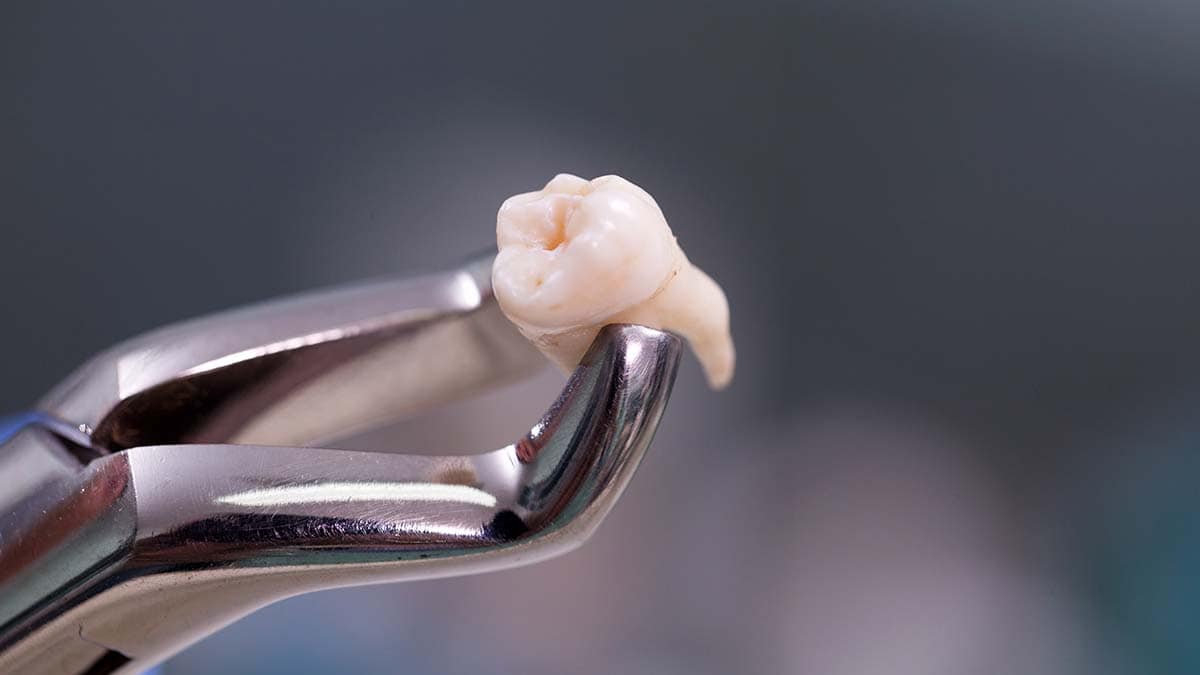
Tooth extractions are one of the most common oral surgery procedures performed in Seekonk, especially when a tooth is too damaged to repair. Whether due to severe decay, infection, or impaction, removing a tooth can help prevent further complications and protect your overall oral health. Patients in Seekonk often ask about when extractions are needed, how much they cost, and how to heal quickly.
This guide answers those key questions using real patient concerns, outlines what to expect before and after a tooth extraction, and explains why replacing the missing tooth is critical for your long-term dental function and comfort. From treatment preparation to aftercare and dental implant options, we’re here to help you feel confident every step of the way.
At Bayside Oral & Facial Surgery, we perform extractions with advanced surgical techniques and a comfort-first approach tailored to each patient’s needs. If you are considering an extraction, this article will help you understand when it’s necessary, how the process works, and what comes next.
What Are the Most Common Reasons for Tooth Extractions?
Tooth extractions are typically recommended when a tooth is too damaged to be restored or poses a risk to surrounding teeth and gums. The most common reason for tooth extraction is advanced decay that has destroyed the structure of the tooth beyond what fillings or crowns can repair.
Other frequent reasons for extractions include:
- Severe gum disease (periodontitis): When gums and bone no longer support the tooth.
- Impacted teeth: Often seen with wisdom teeth that fail to erupt properly.
- Orthodontic needs: Sometimes teeth are removed to correct overcrowding before braces.
- Fractured or broken teeth: Especially when damage extends below the gumline.
- Infection or abscess: If antibiotics and root canal therapy can’t resolve the infection.
Why do people get teeth pulled?
Extraction may also be necessary to prepare for future restorative work, such as dentures or long-lasting dental implants in Seekonk. In these cases, removing damaged or nonfunctional teeth allows for a healthier, more stable foundation before placing replacement teeth. Early intervention ensures better long-term outcomes and helps preserve jawbone structure.
Can you get a tooth extracted while pregnant?
Extractions during pregnancy are managed case‑by‑case. Our dentist will coordinate with your OB‑GYN and use pregnancy‑appropriate protocols, including anesthesia and medications, when treatment is necessary.
What is a surgical extraction vs. a simple one?
A simple extraction is used for visible teeth and involves loosening and removing the tooth with forceps. A surgical extraction is needed when the tooth is impacted or broken under the gumline. This involves an incision and may require sectioning the tooth for removal. Our oral surgery services in Seekonk cover both types of extractions using precision and sedation when needed.
How Long Does a Tooth Extraction Take and What Happens During the Procedure?
A typical tooth extraction takes 20 to 40 minutes, depending on the tooth’s location and complexity. Wisdom teeth or impacted molars may take longer due to the need for surgical removal. Most extractions are completed in a single visit at our dental office in Seekonk.
The extraction process begins with a full evaluation, including digital imaging and a review of your medical history. Our dentist uses local anesthesia to numb the area and ensure you feel no pain during the procedure. For more complex cases or anxious patients, IV sedation and general anesthesia for oral surgery are available to maximize comfort.
How long does a tooth extraction take?
Simple extractions, such as those for front teeth or already loose molars, can take as little as 15–20 minutes. Surgical extractions, which involve removing impacted or broken teeth, often take 30–60 minutes due to the additional steps involved.
What happens after tooth extraction?
Once the tooth is removed, gauze is placed over the socket to promote clot formation. Our team will provide post-op instructions to help manage bleeding, pain, and swelling. If stitches are needed, they are usually dissolvable. You’ll rest in the office briefly before heading home with a printed aftercare guide.
Most patients return to light activity the next day and resume normal routines within a few days. Our dentist will schedule a follow-up if needed and review your options for replacing the extracted tooth, such as dental implants in Seekonk or fixed bridges, once healing is underway.
What to Expect After a Tooth Extraction in Seekonk
After a tooth extraction, it’s normal to experience mild swelling, soreness, and limited bleeding for the first 24 hours. In Seekonk, most patients recover comfortably at home within a few days when they follow their post-op instructions closely. Healing begins immediately after the procedure, and the formation of a blood clot is the first critical step.
To protect this clot and avoid complications like dry socket, patients are advised to rest, avoid vigorous rinsing, and skip smoking or drinking through a straw.
When can I eat after tooth extraction?
Most patients can eat soft foods within a few hours once the numbness wears off. Stick to cool or lukewarm options like yogurt, mashed potatoes, or smoothies on the first day. Avoid hot foods, spicy dishes, or anything crunchy that could disturb the surgical site.
How long after tooth extraction can I eat solid food?
Solid foods can usually be reintroduced 3 to 7 days after the extraction, depending on the complexity of the procedure. If the extraction was surgical or involved stitches, your dentist may recommend delaying harder foods until your follow-up visit confirms good healing.
How long to keep gauze in after tooth extraction?
Keep the gauze pad over the extraction site for about 30 minutes, gently biting down to apply pressure. If bleeding continues, replace it with a fresh pad and repeat until it slows.
When to stop using gauze after tooth extraction?
Once the initial bleeding has stopped and a firm clot has formed, usually within a few hours, you no longer need gauze. Our Seekonk oral surgery team will give you exact instructions based on your case to prevent disturbing the healing area.
We also encourage patients to reach out if they experience prolonged bleeding, increased pain after 2–3 days, or signs of infection. These may indicate the need for further care or a follow-up evaluation at our dental office.
What Can I Eat After a Tooth Extraction?
Eating soft, nutritious foods is essential during recovery from a tooth extraction. In Seekonk, we recommend a post-extraction diet that supports healing without irritating the surgical site. The goal is to avoid chewing near the socket, dislodging the clot, or introducing bacteria to the area.
Start with cool, soft foods on the first day and gradually return to your normal diet as comfort allows. Avoid hot, spicy, crunchy, or sticky foods for at least 5–7 days.
What to eat after tooth extraction?
Soft and soothing foods help reduce discomfort and support healing. Ideal options include:
- Applesauce
- Yogurt
- Mashed potatoes
- Smoothies (no straw)
- Oatmeal (cooled)
- Scrambled eggs
- Soup (lukewarm, not hot)
These choices are gentle on your mouth and provide nutrients to aid tissue repair.
Can I eat peanut butter after a wisdom tooth extraction?
It’s best to wait before eating peanut butter. Because it’s sticky and thick, it can cling to the extraction site or stitches and may increase the risk of dislodging the clot. Wait at least a week before reintroducing it, and start with small amounts.
What can I eat 7 days after tooth extraction?
By day seven, many patients in Seekonk can begin adding soft meats, steamed vegetables, pasta, and rice back into their meals. If you’re healing well and have no discomfort, this gradual return to regular eating is safe.
Can I drink protein shakes after a tooth extraction?
Yes, protein shakes are a great source of nutrients during recovery. Just make sure to drink them with a spoon or directly from the cup, avoid using straws after wisdom tooth extraction to prevent dry socket.
What Should I Avoid After a Tooth Extraction?
After a tooth extraction, avoiding certain habits is just as important as following your post-op instructions. Many patients in Seekonk heal quickly by steering clear of behaviors that can interfere with clot formation or irritate the surgical site.
The most critical thing is to protect the blood clot during the first 48 hours, which acts as a natural barrier for the bone and nerves beneath the socket.
Can I drink alcohol 24 hours after tooth extraction?
No, it’s recommended to avoid alcohol for at least 24 to 48 hours after your extraction, and longer if you’re taking prescription medications or antibiotics. Alcohol can thin the blood, slow clotting, and delay healing.
When can I drink after tooth extraction?
Stick to water, electrolyte drinks, or mild broths during the first day. Avoid carbonated beverages and hot drinks for 24 hours. You can reintroduce other beverages gradually as healing progresses, based on how you feel and your dentist’s guidance.
When can I use a straw after wisdom tooth extraction?
Avoid using straws for several days after surgery because suction can dislodge the protective clot and lead to dry socket. Resume only when your surgeon confirms it’s safe
When can I smoke after wisdom tooth extraction (with stitches)?
Smoking is one of the leading causes of delayed healing and dry socket. Patients in Seekonk should avoid smoking for at least 72 hours after surgery, and ideally longer. If stitches are present, waiting at least a week is recommended. For smokers, we can provide tailored post-op tips to reduce risk.
Our oral surgery services in Seekonk emphasize post-op education and support so you know exactly what to avoid and when it’s safe to resume normal habits.
How Painful Is Tooth Extraction and What Can I Take for Relief?
Tooth extractions typically involve minimal pain when performed with proper anesthesia. In Seekonk, our dental office uses local anesthesia and, when needed, IV sedation and general anesthesia for oral surgery to keep patients comfortable throughout the procedure. While some soreness is expected afterward, it’s usually manageable with over-the-counter medications and rest.
What is the best pain relief after tooth extraction?
The best pain control for many patients is alternating ibuprofen and acetaminophen (Tylenol) during the first 48 hours. Do not take them at the same time; follow the alternating schedule our team provides based on your medical history and procedure type.
If a more complex extraction was performed, our dentist may prescribe short‑term pain medication. Cold compresses applied to the outside of your face in 15‑minute intervals during the first day can also help reduce swelling and discomfort.
Our Seekonk patients often find that discomfort begins to ease after the first 24–48 hours and subsides almost entirely by day three or four. If your pain worsens after this period, contact our office to rule out infection or dry socket.
Why You Should Replace an Extracted Tooth and What Are Your Options?
Removing a damaged or infected tooth may resolve immediate discomfort, but leaving the space empty can lead to long-term complications. In Seekonk, our dental office emphasizes the importance of replacing missing teeth to maintain oral health, jaw structure, and bite alignment.
Without a replacement, surrounding teeth can shift into the gap, increasing your risk for uneven wear, TMJ problems, and bone loss in the jaw. The longer a space is left unfilled, the more difficult and costly future treatment may become.
Tooth Replacement Options After Extraction
Following an extraction, you have several restorative options:
- Dental Implants: These are the most durable and natural-feeling solution. Implants replace both the root and crown of a missing tooth and prevent jawbone deterioration. Our office offers long-lasting dental implants in Seekonk tailored to your bone density and smile goals.
- Fixed Bridges: This solution involves anchoring a prosthetic tooth to the surrounding teeth. It’s a good option if the adjacent teeth already require crowns.
- Full or Partial Dentures: These are removable appliances that restore multiple missing teeth. Dentures may be a more cost-effective option but don’t preserve jawbone like implants.
If you are unsure which solution is right for you, our dentist will walk you through the pros and cons of each. Replacing your tooth promptly improves your ability to chew, speak, and smile with confidence.
We encourage you to explore oral surgery services in Seekonk that include both extractions and custom tooth replacement plans, all in one location.
FAQs About Tooth Extractions in Seekonk
What is the most common problem after tooth extraction?
The most common complication after a tooth extraction is dry socket. This occurs when the blood clot protecting the bone and nerves at the extraction site becomes dislodged or dissolves too soon. It can cause significant pain and delay healing. Avoiding straws, smoking, and vigorous rinsing can help prevent this condition.
What is the most common cause of tooth extraction?
Severe tooth decay is the leading reason for tooth extractions. When decay reaches the inner pulp and root of a tooth and cannot be treated with a root canal, extraction becomes necessary. Other common causes include gum disease, trauma, impaction, and overcrowding.
How many days after tooth extraction does healing take?
Initial healing typically occurs within 7 to 10 days. During this period, gum tissue begins to close over the extraction site. Full bone healing can take several months, especially if a future implant is planned. Our dental office monitors healing and provides guidance on when you’re ready for the next step.
What is the procedure for a tooth extraction?
The extraction procedure begins with local anesthesia to numb the area. Simple extractions involve loosening the tooth and removing it with forceps. Surgical extractions require an incision and, occasionally, sectioning the tooth for removal. Both types are performed safely in our Seekonk office with sedation available if needed.
Conclusion: Next Steps After a Tooth Extraction in Seekonk
Tooth extractions are sometimes necessary to protect your oral health and prevent more serious complications. Whether the reason is severe decay, infection, impaction, or overcrowding, understanding the process helps reduce anxiety and supports a smoother recovery. This guide summarized what patients in Seekonk most often ask, healing timelines, eating guidelines, activity restrictions, and why timely tooth replacement preserves your bite, jawbone, and long‑term oral health.
Ready to Learn Your Best Tooth Replacement Options?
Schedule a consultation at Bayside Oral & Facial Surgery to review your specific reason for extraction and get a personalized plan for next steps, including options like dental implants, fixed bridges, or dentures. We’ll provide clear recommendations, a written estimate, and a timeline so you can move forward with confidence.
